Search This Blog

Showing posts with label gfcf diet. Show all posts

Monday, July 8, 2024

CAM: A Lit Review

In The Politics of Autism, I write:

The conventional wisdom is that any kind of treatment is likely to be less effective as the child gets older, so parents of autistic children usually believe that they are working against the clock. They will not be satisfied with the ambiguities surrounding ABA, nor will they want to wait for some future research finding that might slightly increase its effectiveness. They want results now. Because there are no scientifically-validated drugs for the core symptoms of autism, they look outside the boundaries of mainstream medicine and FDA approval. Studies have found that anywhere from 28 to 54 percent of autistic children receive “complementary and alternative medicine” (CAM), and these numbers probably understate CAM usage.

Doherty, M., Foley, KR. & Schloss, J. Complementary and Alternative Medicine for Autism – A Systematic Review. J Autism Dev Disord (2024). https://doi.org/10.1007/s10803-024-06449-5

Complementary and Alternative Medicine (CAM) is a therapeutic option currently used by autistic people with continued interest and uptake. There remains limited evidence regarding the efficacy of CAM use in autism. The aim of this systematic review is to comprehensively review published clinical trials to explore the efficacy of CAM in autism. A systematic literature review of available research published from June 2013 to March 2023 was conducted. Our literature search identified 1826 eligible citations, and duplications removed (n = 694) with 102 articles eligible for title/abstract screening. After full text review, 39 studies were included. The results of this systematic review identified that for autistic people, vitamin and mineral supplements may only be of benefit if there is a deficiency. The results also found that the main interventions used were dietary interventions and nutraceuticals, including targeted supplements, vitamins and minerals, omega 3 s and prebiotics, probiotics and digestive enzymes. The evidence does not support some of the most frequently utilised dietary interventions, such as a Gluten Free Casein Free (GFCF) diet, and the use of targeted nutraceutical supplements may be of benefit, but more conclusive research is still required to direct safe and effective treatment.

Friday, December 2, 2022

Fad Cures

 Autism parents are highly vulnerable to pitches for quack "cures."

In The Politics of Autism, I write:

The conventional wisdom is that any kind of treatment is likely to be less effective as the child gets older, so parents of autistic children usually believe that they are working against the clock. They will not be satisfied with the ambiguities surrounding ABA, nor will they want to wait for some future research finding that might slightly increase its effectiveness. They want results now. Because there are no scientifically-validated drugs for the core symptoms of autism, they look outside the boundaries of mainstream medicine and FDA approval. Studies have found that anywhere from 28 to 54 percent of autistic children receive “complementary and alternative medicine” (CAM), and these numbers probably understate CAM usage.

Bozena Zawisz at Psychology Today:

Like many parents of newly diagnosed children, I initially coped with the complexity and uncertainty surrounding autism by turning to Google in search of answers to the many questions I had about my child’s developmental potential. I found a variety of conflicting information, including advertisements about alternative interventions ranging from elimination diets to fidget spinners and anecdotal accounts that claimed to have cured autism. I was not alone in my quest. Research suggests that up to 95 percent of parents look into alternative treatments for their children (Hofer et al., 2019).

Some emerging therapies, such as music therapy or mindfulness interventions, have promising results and simply require more substantiated evidence to boost their level of recommendation. Others, such as gluten-free or casein-free diets, lack consistent evidence of effectiveness (NAC, 2015).

Over time, I experimented with many alternative therapies and supplements. I also accrued a deeper understanding of how my son experienced the world and came across increasingly more neurodiverse perspectives of people on the autism spectrum themselves, as they are becoming increasingly present in research.

I remember pausing amidst supporting my son with his homework and appreciating that “this is not going away.” I realized that the characteristics I loved about him, including those associated with being on the autism spectrum, such as taking things literally, being honest and direct, or seeing the details of a situation, are likely to be our ongoing companions (e.g., research finds that detailed-oriented cognitive style has been persistent in individuals on the autism spectrum across time (Bojda et al., 2021)).

I finally figured out where I wanted and needed to focus my attention: on acceptance, on advocacy around how the school environment can support my child’s needs (e.g., through breaking down tasks and offering visual support), and on my child’s emotional learning (supporting my son’s awareness of implicit emotion by making it explicit and deepening his practice of coping).


Thursday, September 15, 2022

Diet Does Not "Cure" Autism

The conventional wisdom is that any kind of treatment is likely to be less effective as the child gets older, so parents of autistic children usually believe that they are working against the clock. They will not be satisfied with the ambiguities surrounding ABA, nor will they want to wait for some future research finding that might slightly increase its effectiveness. They want results now. Because there are no scientifically-validated drugs for the core symptoms of autism, they look outside the boundaries of mainstream medicine and FDA approval. Studies have found that anywhere from 28 to 54 percent of autistic children receive “complementary and alternative medicine” (CAM), and these numbers probably understate CAM usage.

Australian Associated Press:

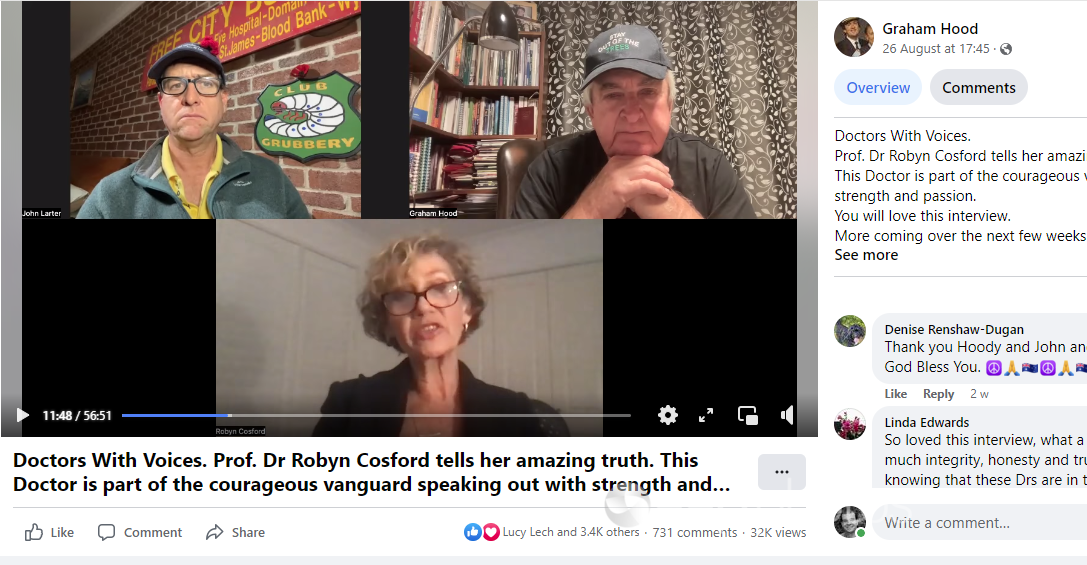
An Australian naturopath claims in a Facebook video that autism in children can be cured with therapeutic healthcare including a change of diet.

The claim is false. Experts say there is no cure for autism. Research into a possible link between nutrition and autism symptoms is inconclusive.

The claim was made by Robyn Cosford, who describes herself as a former medical practitioner and now runs the School of Divine Health.

“A lot of people think, even now, that autism is irreversible. It’s a label, a diagnosis that’s given by the medical profession and people are stuck with it, but that’s not true,” Dr Cosford said in the video (screenshot here).

“In most cases with correct nutritional biochemistry and diet and other allied therapies, in most cases you can bring these children back. You can bring them back into normal behaviour and back into life and functioning” (video mark 11min 20sec).

Sunday, February 13, 2022

Public Knowledge of Autism

In The Politics of Autism, I write:  "Support from the general public will be an important political asset for autistic people.

At Research in Autism Spectrum Disorders, Megan E. Golson and colleagues have an article titled "Current state of autism knowledge in the general population of the United States."  The abstract:

Background

The increasing prevalence of autism warrants increased knowledge for laypersons who engage with autistic individuals . However, limited research has been conducted on the general population’s knowledge of autism.

Method

The present study describes the current level of autism knowledge among a general population sample in the United States (N = 318) using the Autism Spectrum Knowledge Scale, General Population version (ASKSG; McClain et al., 2019).

Results

Participants in our study were more knowledgeable about the symptoms and behaviors associated with autism than the etiology, prevalence, and assessment procedures.

Conclusions

The lack of knowledge in the general population surrounding autism necessitates further efforts to increase public awareness.

From the study:

Overall, participants answered an average proportion of .643 (SD = .186) of items correctly on the ASKSG. Participant knowledge was evaluated in terms of content area. Regarding knowledge of autism etiology and prevalence, most participants correctly identified that a lack of motherly warmth was not a cause of autism (.858). However, few participants knew that there are racial/ethnic disparities in autism identification (.362). Concerningly, nearly a third (.296) endorsed the myth that vaccines cause autism. Related to autism services, most participants correctly identified that social skills interventions were an evidence-based service (.830). Less than half of participants knew that restrictive diets are not an evidence-based intervention for autism (.481).
...
The results of this study have multiple implications related to autism identification, services, advocacy, and public policy. These findings highlight multiple areas of need within the general population. First, many participants endorsed misconceptions about the causes (e.g., vaccine etiology) and research-supported services (e.g., restrictive diets) for autism. Continued belief in the vaccine myth is concerning as it directs research resources toward redundant research affirming the lack of connection between vaccinations and autism (Dudley et al., 2018) and may contribute to lower rates of vaccination, which threatens personal and public health (Żuk et al., 2019). Misconceptions about autism services are also concerning. This may result in families wasting money on ineffective interventions instead of available, efficacious services. Lack of knowledge about autism diagnosis and identification may contribute to delays in age of diagnosis (Maenner et al., 2020). Increased autism screening, parent psychoeducation, and communication between primary care providers and parents are crucial to addressing this knowledge gap and decreasing age of diagnosis.

Second, while the general population exhibits adequate knowledge of common symptoms associated with autism, knowledge of assessment and diagnostic procedures is limited. Increased public knowledge regarding this process could increase access to early identification services. Public institutions (e.g., schools, community centers) and clinics should prioritize public awareness campaigns to address knowledge gaps. Including fliers in central locations, holding informational sessions, and playing autism knowledge videos (e.g., Ha et al., 2021) can help toward this effort. Efforts to increase the accessibility of autism services (e.g., regular autism screening, training of rural providers in autism) may also increase the awareness of these processes in the general population.


Friday, September 29, 2017

Unproven Treatments

In The Politics of Autism, I write:
The conventional wisdom is that any kind of treatment is likely to be less effective as the child gets older, so parents of autistic children usually believe that they are working against the clock. They will not be satisfied with the ambiguities surrounding ABA, nor will they want to wait for some future research finding that might slightly increase its effectiveness. They want results now. Because there are no scientifically-validated drugs for the core symptoms of autism, they look outside the boundaries of mainstream medicine and FDA approval. Studies have found that anywhere from 28 to 54 percent of autistic children receive “complementary and alternative medicine” (CAM), and these numbers probably understate CAM usage
Mark Wheeler writes at UCLA:
Dr. Shafali Jeste knows well the desperation of a parent seeking a cure for their child with autism spectrum disorder. As a clinician who both researches the causes of the disorder and treats children with autism, Jeste, UCLA associate professor of psychiatry, neurology and pediatrics and a lead investigator in the UCLA Center for Autism Research and Treatment, understands why many parents will try anything that sounds reasonable. A change to a gluten- and casein-free diet to reduce symptoms. Mega-vitamins for the same. Medical marijuana to calm. Melatonin to sleep. Omega-3 fatty acids for hyperactivity. Delaying or refusing vaccinations. All done, usually, in addition to the standard medications that are prescribed to children on the spectrum, including Ritalin, Adderall or Risperdal.
...
“The short answer is there simply isn’t enough solid scientific evidence to say definitely one way or the other whether most of the alternative treatments help or harm,” Jeste said.
...
The autism theory most upsetting to Jeste and some other researchers is the idea of a link between childhood vaccines and autism. That now-debunked theory started in 1998, when a then-doctor named Andrew Wakefield published a study in the British journal the Lancet purporting to show a link between vaccines and autism. The study was later identified as fraudulent, was retracted by the medical journal, and his medical license was revoked.
“I think one reason this myth persists is that many symptoms of autism begin to emerge right around the same time that vaccines are given to children,” Jeste said
Behavioral interventions currently hold more hope.
One example of a behavioral therapy is one that focuses on the social communication deficits in young children with autism. It’s called “Jasper,” short for Joint Attention, Symbolic Play, Engagement and Regulation, and was developed by Jeste’s colleague, Connie Kasari.
While it’s thought that environmental factors may play some role — Jeste pointed out that the age of the parents, maternal drug use, extreme premature birth, in utero hormonal environment — her research and that of others shows that genetic variations are responsible for the majority of all diagnosed cases.
In her research Jeste searches for biomarkers that would identify autism in the youngest of patients, even babies. She is part of a nationwide, multi-center study examining preschool and school-aged children with autism spectrum disorders to identify biomarkers that could help physicians diagnose and track the disease as well as assess treatments in autism patients.

Monday, August 28, 2017

Social Media and Fake News About Autism

In The Politics of Autism, I analyze the discredited notion that vaccines cause autism.
Autism is just one of a number of issues where anecdotes drive public discussion about risk. Psychologist Daniel Kahneman lays out the pattern: “On some occasions, a media story about a risk catches the attention of a segment of the public, which becomes aroused and worried. The emotional reaction becomes a story in itself, prompting additional coverage in the media, which in turn produces greater concern and involvement.” Individuals or groups with an interest in driving the issue then work to keep up the flow of worrying news, and to discredit anyone who questions the hype.
Tom Chivers reports at Buzzfeed:
There are hundreds of websites and Facebook pages that claim that autism is caused by vaccines, and which promote “cures” – often substances that can be bought via that website. And the stories they share are often hugely viral.

Analysis by BuzzFeed News found that more than half of the most-shared scientific stories about autism published online in the last five years promote unevidenced or disproven treatments, or purported causes.

The analysis used data from BuzzSumo, a company that tracks social sharing across multiple platforms including Facebook and Twitter, to find the most shared webpages about autism over the past five years. It then manually extracted the top 50 that claimed to present scientific or medical information about autism, such as reports on research or stories that claimed to focus on causes, or “cures”.

Those that primarily promoted a disproven or unevidenced theory about autism (for example, ones that advocated for links with vaccines or glyphosate fertiliser, or which advanced pseudoscientific cures) were classified as “unevidenced”, while those that provided an approach based on good-quality research or objective reporting were classified as “evidenced”. The categorisation erred on the side of caution, putting ambiguous or speculative articles into the “evidenced” bracket.
It found that more than half (28 out of 50, or 56%) of the most shared stories published between August 2012 and August 2017, including both of the top two, were unevidenced. Between them, the unevidenced stories were shared 6.3 million times, compared with around 4.5 million for the evidence-based stories. The top story, “Courts quietly confirm MMR vaccine causes autism”, was shared almost a million times and appears twice on the list from two different sites. As this Forbes story from 2013 explains, it is false.
...
The rise of social media has made it easy for these bubbles to form in recent years. But for parents of autistic children, it started much earlier – before Facebook even existed, and years before it reached its current ubiquity. Parents swapped stories via email and message boards, especially a bunch of sites on the Yahoo Health groups that sprang up in the late 1990s and early 2000s. They included places like as Environment of Harm, a Yahoo group set up to discuss “vaccine damage and mercury poisoning and other environmental toxins as it relates to autism”; GFCFKids, “a discussion forum for parents of children on the autism spectrum who are avoiding gluten and casein and other substances in their children’s diets”; Chelatingkids2, “for parents and/or family members of children with autism who are seeking biomedical intervention”; and Autism-Mercury, focusing on “the increasing incidence of autism [and] the potential link between excessive mercury exposure via thimerosal in infant vaccines”.

Saturday, May 27, 2017

No Strong Evidence for Supplements

In The Politics of Autism, I write:
The conventional wisdom is that any kind of treatment is likely to be less effective as the child gets older, so parents of autistic children usually believe that they are working against the clock. They will not be satisfied with the ambiguities surrounding ABA, nor will they want to wait for some future research finding that might slightly increase its effectiveness. They want results now. Because there are no scientifically-validated drugs for the core symptoms of autism, they look outside the boundaries of mainstream medicine and FDA approval. Studies have found that anywhere from 28 to 54 percent of autistic children receive “complementary and alternative medicine” (CAM), and these numbers probably understate CAM usage.
Parents of children with autism often try diet changes or supplements to ease symptoms of the disorder, but a new review concludes there's no solid evidence that any work.
After analyzing 19 clinical trials, researchers found little proof that dietary tactics -- from gluten-free foods to fish oil supplements -- helped children with autism spectrum disorders (ASDs).
Some studies showed positive effects, while others found nothing, the researchers said. Overall, the trials were too small and short-term to draw conclusions one way or the other.
"Even though we don't have clear evidence documenting safety and efficacy, many -- if not most -- families of children with ASDs try different diets and nutritional supplements at some point in time," said senior researcher Zachary Warren.
Parents often feel there is at least no harm in trying, according to Warren, an associate professor of pediatrics, psychiatry and special education at Vanderbilt University in Nashville.
 But, "that's not always a safe assumption," he said.
"For example, some nutritional supplements can actually cause harm in high doses," Warren noted.
He recommended that parents talk to their doctor before changing their child's diet or adding supplements.

From Pediatrics, the abstract:
Nutritional and Dietary Interventions for Autism Spectrum Disorder: A Systematic Review
Nila Sathe, Jeffrey C. Andrews, Melissa L. McPheeters, Zachary E. Warren


CONTEXT: Children with autism spectrum disorder (ASD) frequently use special diets or receive nutritional supplements to treat ASD symptoms.

OBJECTIVES: Our objective was to evaluate the effectiveness and safety of dietary interventions or nutritional supplements in ASD.

DATA SOURCES: Databases, including Medline and PsycINFO.

STUDY SELECTION: Two investigators independently screened studies against predetermined criteria.

DATA EXTRACTION: One investigator extracted data with review by a second investigator. Investigators independently assessed the risk of bias and strength of evidence (SOE) (ie, confidence in the estimate of effects).

RESULTS: Nineteen randomized controlled trials (RCTs), 4 with a low risk of bias, evaluated supplements or variations of the gluten/casein-free diet and other dietary approaches. Populations, interventions, and outcomes varied. Ω-3 supplementation did not affect challenging behaviors and was associated with minimal harms (low SOE). Two RCTs of different digestive enzymes reported mixed effects on symptom severity (insufficient SOE). Studies of other supplements (methyl B12, levocarnitine) reported some improvements in symptom severity (insufficient SOE). Studies evaluating gluten/casein-free diets reported some parent-rated improvements in communication and challenging behaviors; however, data were inadequate to make conclusions about the body of evidence (insufficient SOE). Studies of gluten- or casein-containing challenge foods reported no effects on behavior or gastrointestinal symptoms with challenge foods (insufficient SOE); 1 RCT reported no effects of camel’s milk on ASD severity (insufficient SOE). Harms were disparate.

LIMITATIONS: Studies were small and short-term, and there were few fully categorized populations or concomitant interventions.

CONCLUSIONS: There is little evidence to support the use of nutritional supplements or dietary therapies for children with ASD.

Saturday, May 28, 2016

Complementary and Alternative Medicine

In The Politics of Autism, I write:
The conventional wisdom is that any kind of treatment is likely to be less effective as the child gets older, so parents of autistic children usually believe that they are working against the clock. They will not be satisfied with the ambiguities surrounding ABA, nor will they want to wait for some future research finding that might slightly increase its effectiveness. They want results now. Because there are no scientifically-validated drugs for the core symptoms of autism, they look outside the boundaries of mainstream medicine and FDA approval. Studies have found that anywhere from 28 to 54 percent of autistic children receive “complementary and alternative medicine” (CAM), and these numbers probably understate CAM usage.
At Autism, Juliana Höfer, Falk Hoffmann, and Christian Bachmann have an article titled "Use of Complementary and Alternative Medicine in Children and Adolescents with Autism Spectrum Disorder: A Systematic Review." Why just children and adolescents?  "Interestingly, we found no studies of CAM use in adults with ASD, which might explain why there was no significant association of age and CAM use."

 The abstract:
Despite limited evidence, complementary and alternative medicine treatments are popular in autism spectrum disorder. The aim of this review was to summarize the available evidence on complementary and alternative medicine use frequency in autism spectrum disorder. A systematic search of three electronic databases was performed. All research studies in English or German reporting data on the frequency of complementary and alternative medicine use in individuals with autism spectrum disorder were included. Two independent reviewers searched the literature, extracted information on study design and results, and assessed study quality using an established quality assessment tool. Twenty studies with a total of 9540 participants were included. The prevalence of any complementary and alternative medicine use ranged from 28% to 95% (median: 54%). Special diets or dietary supplements (including vitamins) were the most frequent complementary and alternative medicine treatments, ranking first in 75% of studies. There was some evidence for a higher prevalence of complementary and alternative medicine use in autism spectrum disorder compared to other psychiatric disorders and the general population. Approximately half of children and adolescents with autism spectrum disorder use complementary and alternative medicine. Doctors should be aware of this and should discuss complementary and alternative medicine use with patients and their carers, especially as the evidence is mixed and some complementary and alternative medicine treatments are potentially harmful.

Tuesday, September 15, 2015

More Doubts About the GFCF Diet

As I explain in The Politics of Autism: Navigating the Contested Spectrum, questionable approaches such as the gluten-free/casein free diet and chelation fill the vacuum caused by the basic uncertainty surrounding the issue.

At The Journal of Autism and Developmental Disorders, Susan L. Hyman and colleagues have an article titled, "The Gluten-Free/Casein-Free Diet: A Double-Blind Challenge Trial in Children with Autism." The abstract:
To obtain information on the safety and efficacy of the gluten-free/casein-free (GFCF) diet, we placed 14 children with autism, age 3–5 years, on the diet for 4–6 weeks and then conducted a double-blind, placebo-controlled challenge study for 12 weeks while continuing the diet, with a 12-week follow-up. Dietary challenges were delivered via weekly snacks that contained gluten, casein, gluten and casein, or placebo. With nutritional counseling, the diet was safe and well-tolerated. However, dietary challenges did not have statistically significant effects on measures of physiologic functioning, behavior problems, or autism symptoms. Although these findings must be interpreted with caution because of the small sample size, the study does not provide evidence to support general use of the GFCF diet.

Friday, June 19, 2015

Yet Another "Miracle Cure"

There are a lot of "miracle cures" out thereMackenzie Dawson writes at The New York Post about a "miracle cure" involving the Body Ecology Diet and the Son-Rise Program:
When a doctor told Susan Levin her 4-year-old son, Ben, was autistic, she was shocked. It was October 2007, and autism wasn’t mentioned in the media nearly as much as it is today.
“I remember thinking, ‘Oh my God. What are we going to do?’ ” Levin recalls. “Everyone knew autism was a lifelong disorder and couldn’t be cured.”
Except that in Ben’s case, it could be. And it was.
The family’s journey — the many treatments tried and dismissed, from biomedical interventions to speech therapy to occupational therapy and more — is detailed in her new memoir, “Unlocked: A Family Emerging From the Shadows of Autism.”
Levin doesn’t call this particular cure a silver bullet for autism: There is no silver bullet, no one-size-fits-all approach. Rather, she credits his transformation to a number of things, including a home based and child centered social-relational program called the Son-Rise Program.
...
“Over the years I’ve been privy to a million parents, a million cures,” says Andrew Baumann, president and CEO of New York Families for Autistic Children. “Parents are willing to try just about anything.” And while he concedes that diet can have a very positive effect, he just doesn’t see it as a cure for autism: “You can’t cure something [when] you don’t know what the cause is.”

Steven Novella writes that the Post article is pseudoscience:
There does appear to be room for larger rigorous trials [of dietary interventions], but over 40 years of research has failed to find any signal in this data. It is also possible, as some of the authors note, that children with autism might also incidentally have food allergies or insensitivities, and removing this food will have a positive effect on their behavior simply because it is removing an irritant. There is no evidence to suggest, however, that gluten or casein is playing any causative or significant role in the etiology of autism itself. There is no diet that treats autism, let alone is a cure.
If you’re interested, Paul Offit reviews diet and other fake cures for autism in his book, Autism’s False Prophets. He goes into more detail about the history of the gluten and casein-free diets for autism.
...
Dawson and other journalists writing for the “Living” section of their newspapers should really just not write about science. In this case she failed to consult or listen to any experts on the topic, she relied upon misleading anecdotes and the pronouncements of gurus. She failed to properly reflect that state of the research, or mention the common caveats in interpreting these stories. In short, anyone reading her article would be significantly misled about the science.
This is also a serious issue that directly affects peoples lives. Parents of children with autism face a daunting amount of misinformation. In this case they are being told that they need to put their child on a draconian and expensive diet, and will be made to feel guilty if they don’t. This is just magnifying the burden that raising a child with a developmental challenge can pose. This type of misinformation causes direct harm.
The Association for Science in Autism Treatment says:
Description: The Son-Rise Program was developed and trademarked by Barry and Samahria Lyte Kaufman decades ago. The program offers training sessions to parents and others on how to implement home-based programs for children with a wide range of disabilities. The program is based upon the Kaufmans’ own personal theories of learning and development. A central principle of the Son-Rise program is that parents must convey an attitude of “total acceptance” of their child including all of his/her behaviors. The training that the Kaufmans offer places emphasis not on the child’s skills, or behaviors, or challenges, but more on the parents and caregivers.
Research Summary: There have been no scientific studies of Son-Rise for individuals with autism spectrum disorders.
Recommendations: Researchers may wish to conduct studies with strong scientific designs to evaluate Son-Rise. Professionals should present Son-Rise as untested and encourage families who are considering this intervention to evaluate it carefully.

Thursday, May 29, 2014

Dairy and Autism?

The list of purported causes of autism is long. People for the Ethical Treatment of Animals (PETA) claims that there is a link between dairy and autism. Steven Novella writes at Science-Based Medicine:
PETA provides us with a nice example of how having an ideological agenda can motivate an individual or a group to embrace dubious science. In an article currently on their website, and making the rounds in social media (this is repeating a claim from at least 2008, but the current article is undated), the group warns: Got Autism? Learn About the Link Between Dairy Products and the Disease
There are some anecdotes about the gluten-free, casein-free diet.
Such uncontrolled observations need to be confirmed by blinded observations. These studies have been done for both gluten-free and casein-free diets. A 2008 Cochrane review of these studies concluded:
Current evidence for efficacy of these diets is poor. Large scale, good quality randomised controlled trials are needed.
A more recent review from April 2014 came to a similar conclusion:
We observed that the evidence on this topic is currently limited and weak.
The pattern of evidence reveals that the methodologically poor studies, ones that are liable to confirmation bias, show some effect, but the properly blinded studies tend to show no effect. For example, a 2010 study (although small) observed children with autism on a gluten-free and casein-free diet, and then challenged them with either gluten, casein, or placebo in a blinded manner. There was no difference in behavior observed. A recent 2014 study also showed no association between dairy and behavior in autism.

Saturday, January 11, 2014

Complementary and Alternative Medicine

There is a new study in the Journal of Behavioral and Developmental Pediatrics:  Akins, Krakowiak, Angkustsiri,  Hertz-Picciotto, and Hansen, "Utilization Patterns of Conventional and Complementary/Alternative Treatments in Children with Autism Spectrum Disorders and Developmental Disabilities in a Population-Based Study.  The abstract:
Objective: To compare the utilization of conventional treatments and utilization of complementary and alternative medicine in preschoolers with autism spectrum disorders (ASD) and other developmental disabilities (DD).
Methods: Participants were 578 children who were part of an ongoing population-based, case-control study of 2- to 5-year olds with ASD, DD, and the general population. Parents completed an interview on past and current services.
Results: Four hundred fifty-three children with ASD and 125 DD children were included. ASD families received more hours of conventional services compared with DD families (17.8 vs 11;p < .001). The use of psychotropic medications was low in both groups (approximately 3%). Overall, complementary and alternative medicine (CAM) use was not significantly different in ASD (39%) versus DD (30%). Hispanic families in both groups used CAM less often than non-Hispanic families. Variables such as level of function, immunization status, and the presence of an identified neurogenetic disorder were not predictive of CAM use. A higher level of parental education was associated with an increased CAM use in ASD and DD. Families who used >20 hours per week of conventional services were more likely to use CAM, including potentially unsafe or disproven CAM. [emphasis added] Underimmunized children were marginally more likely to use CAM but not more likely to have received potentially unsafe or disproven CAM.
 Conclusion: Use of CAM is common in families of young children with neurodevelopmental disorders, and it is predicted by higher parental education and non-Hispanic ethnicity but not developmental characteristics. Further research should address how health care providers can support families in making decisions about CAM use.
At The Huffington Post, Catherine Pearson writes:
"CAM use is quite prevalent, especially in children with" autism spectrum disorders, said Dr. Kathleen Angkustsiri, an assistant professor of developmental and behavioral pediatrics at the University of California, Davis, MIND Institute and an author of the study. She emphasized that parents used CAM in addition to traditional, evidence-based treatments -- not as a replacement.
...
But researchers also found that 9 percent of the children had been treated with some form of potentially harmful CAM.
Some had used chelation therapy, used to remove heavy metals from the body. It has been shown ineffective in treating autism -- and unsafe. Others had used treatments the researchers considered invasive, such as vitamin B12 injections. Only one child had used secretin, a drug that has been shown to be ineffective treating autism. The authors said that shows the scientific community has successfully communicated the results of clinical trials to the general public.

...
Overall, Paul Wang, senior vice president for medical research at the nonprofit advocacy group Autism Speaks, said he was not surprised by the high use of CAM among children with autism, citing a larger study, published in the journal Pediatrics last year, which found that roughly 30 percent of children had used some form of CAM -- with higher usage among children with gastrointestinal issues.

Wednesday, August 4, 2010

Hearing on Autism and the Environment

ABC News reports:

Mary and Steve Moen fought for years to get their son Max, now 10, the help he needed to deal with the behavioral and social problems he exhibited as a child with autism.

They went for numerous evaluations and sought out some of the best specialists in the field, enduring sometimes year-long waits for consultations. Their persistence paid off; Max attended a special autism program to help him function better socially and control his behavior better, and now he attends a mainstream school and performs well academically, behaviorally and socially.

Still, the underlying cause of Max's autism remains a mystery -- a situation his parents hope to change.

Moen shared her son's story in front of the Senate Environment and Public Works Children's Health subcommittee today. The subcommittee met to get a status report on research into the links between environmental factors and developmental disorders like autism and attention-deficit hyperactivity disorder.

Tuesday, July 13, 2010

Autism and Food Stamps

The family of an Indianapolis man with autism is suing the state's social services agency, saying it illegally cuts grocery benefits it pays to developmentally disabled people enrolled in a Medicaid program based on how much they receive in food stamps.

The American Civil Liberties Union of Indiana filed the lawsuit against the Family and Social Services Administration on behalf of 26-year-old Michael Dick last week in Marion County Superior Court, 6News' Derrik Thomas reported.

Dick has been severely autistic since birth, is nonverbal and functions on the level of a 6- or 7-year-old, his family said.He's enrolled in Indiana's Developmental Disabilities Waiver Program and receives food stamps from the federal government.

But his family claims that when the federal program increased its benefits by $1.25 a day in 2009, the state deducted that same amount from his living allowance.
Talk About Curing Autism looks at food stamps from a different angle, calculating how to afford a gluten-free, casein-free diet on a very limited budget.